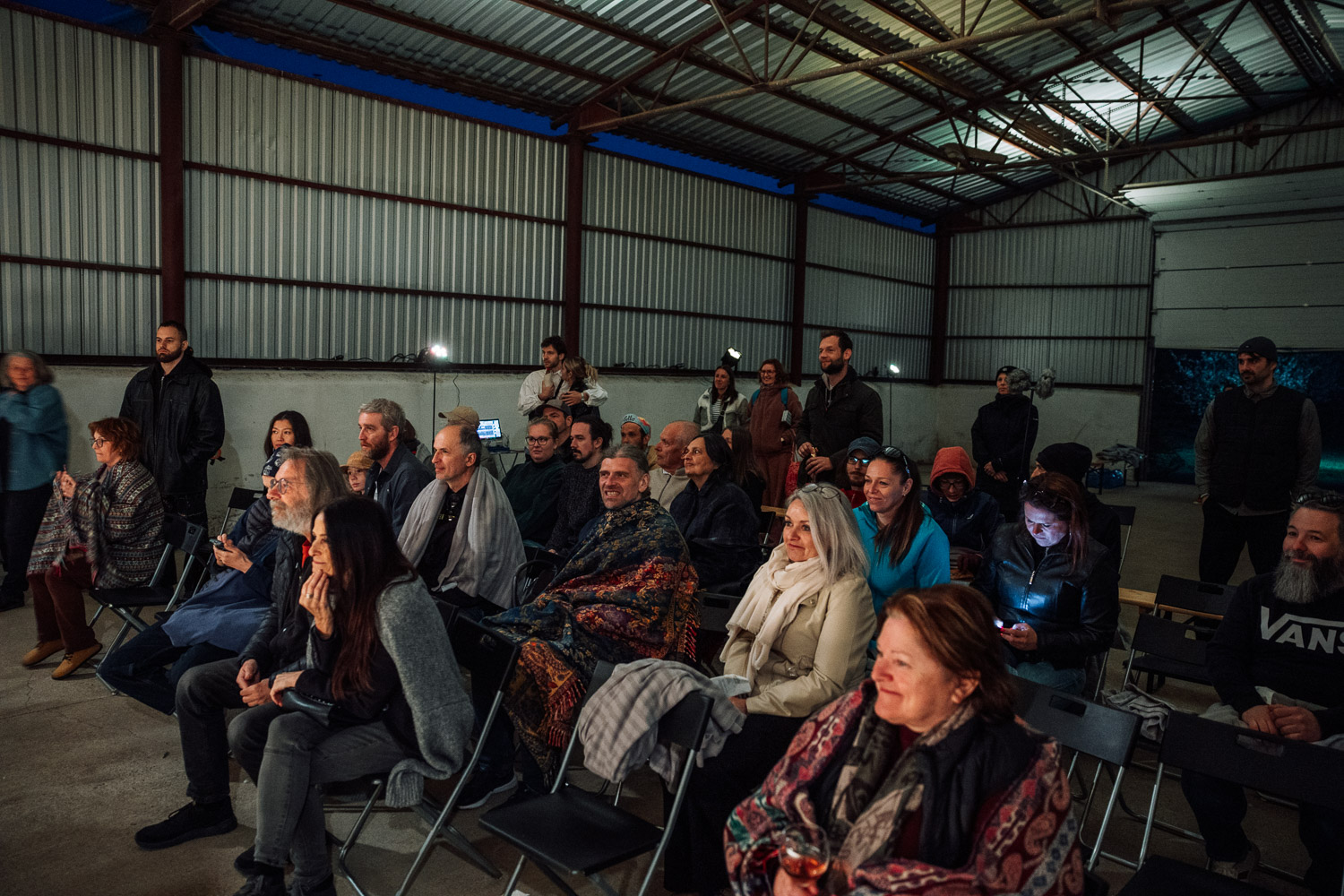
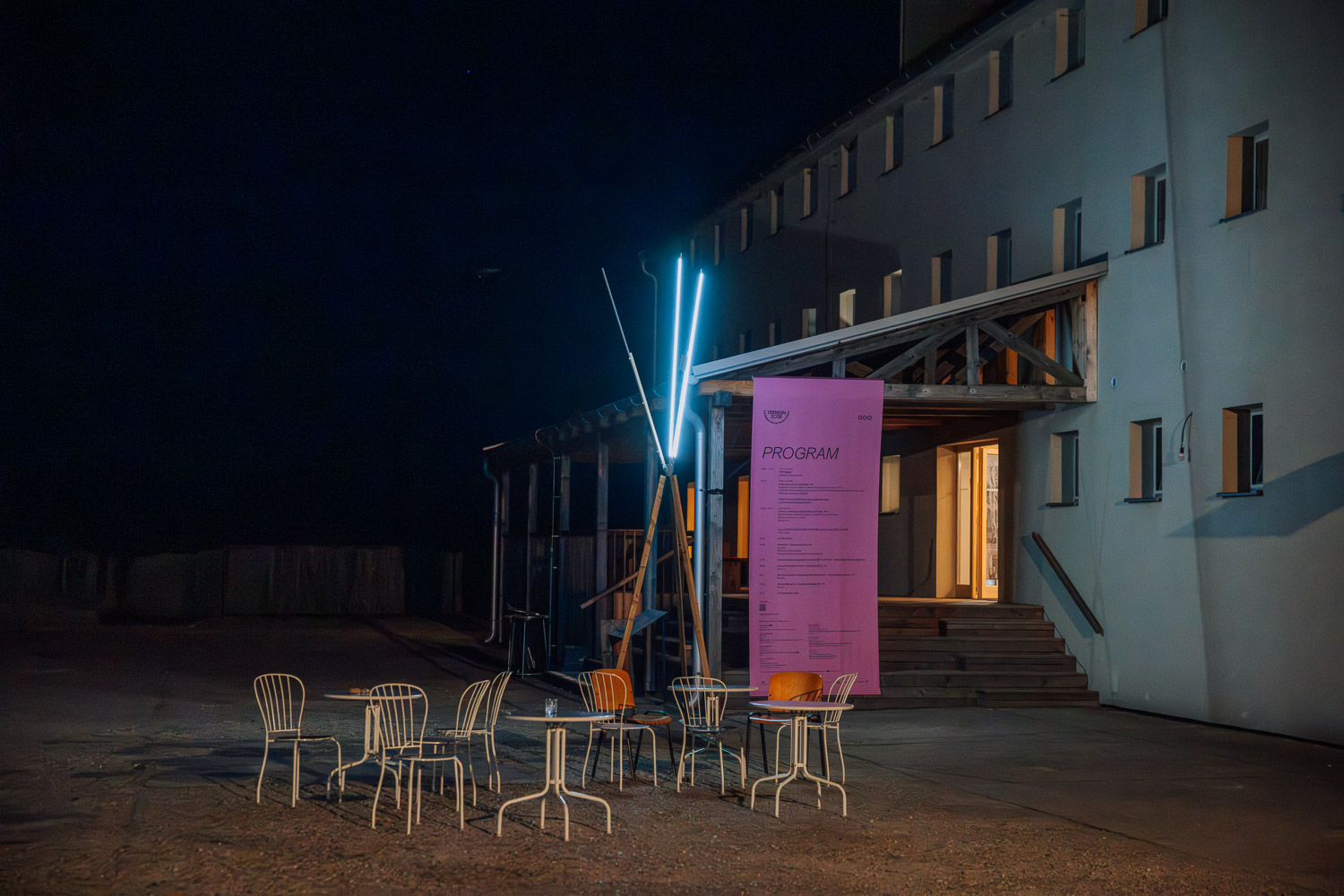
pssst is a series of concert events dedicated to contemporary and experimental music, performed by artists who uncompromisingly explore the peripheries of musical thought.
We live in an age of the greatest musical, compositional, and instrumental diversity in history. So, how many ways are there to play the guitar? How far do the boundaries of experiment and improvisation reach? Where do we go next from the European tradition, the grand concert halls, and the order of triadic harmony?
Event Calendar
Artists pssst: PIANO II

Phill Niblock (1933–2024) was an American composer and a leading figure in experimental music and sound art. Beginning in the 1960s, he devoted himself to creating long, dense sound compositions based on the slow layering of tones and micro-interval deviations, which generate intense acoustic fields. He served for many years as director of Experimental Intermedia in New York, which became an important platform for presenting experimental art. His works have been performed worldwide and have significantly influenced the development of drone music and contemporary music.
Alois Hába (1893–1973) was a Czech composer, music theorist, and educator, and one of the pioneers of microtonal music in Europe. He was born in Vizovice, Moravia, and studied composition in Prague, Vienna, and Berlin, where he became acquainted with the modern musical movements of the early 20th century. He became famous primarily for developing musical systems utilizing quarter-tones and other microintervals, for which specially modified musical instruments were also created. From 1923, he taught at the Prague Conservatory, where he founded the Department of Quarter-Tone Music and significantly influenced the development of modern music in Central Europe. His oeuvre includes operas, chamber and orchestral works, and remains one of the major milestones of the 20th-century musical avant-garde.
Miroslav Beinhauer (1993) is a pianist and player of the six-tone harmonium who specializes in contemporary music and 20th-century music. He studied at the Janáček Academy of Music and Performing Arts in Brno with Helena Weiser, at the University of Music and Performing Arts in Vienna, where his professor was Jan Jiracek von Arnim, and at the Royal Conservatory in Ghent with Daan Vandewalle.
LinkArtists pssst: PIANO I

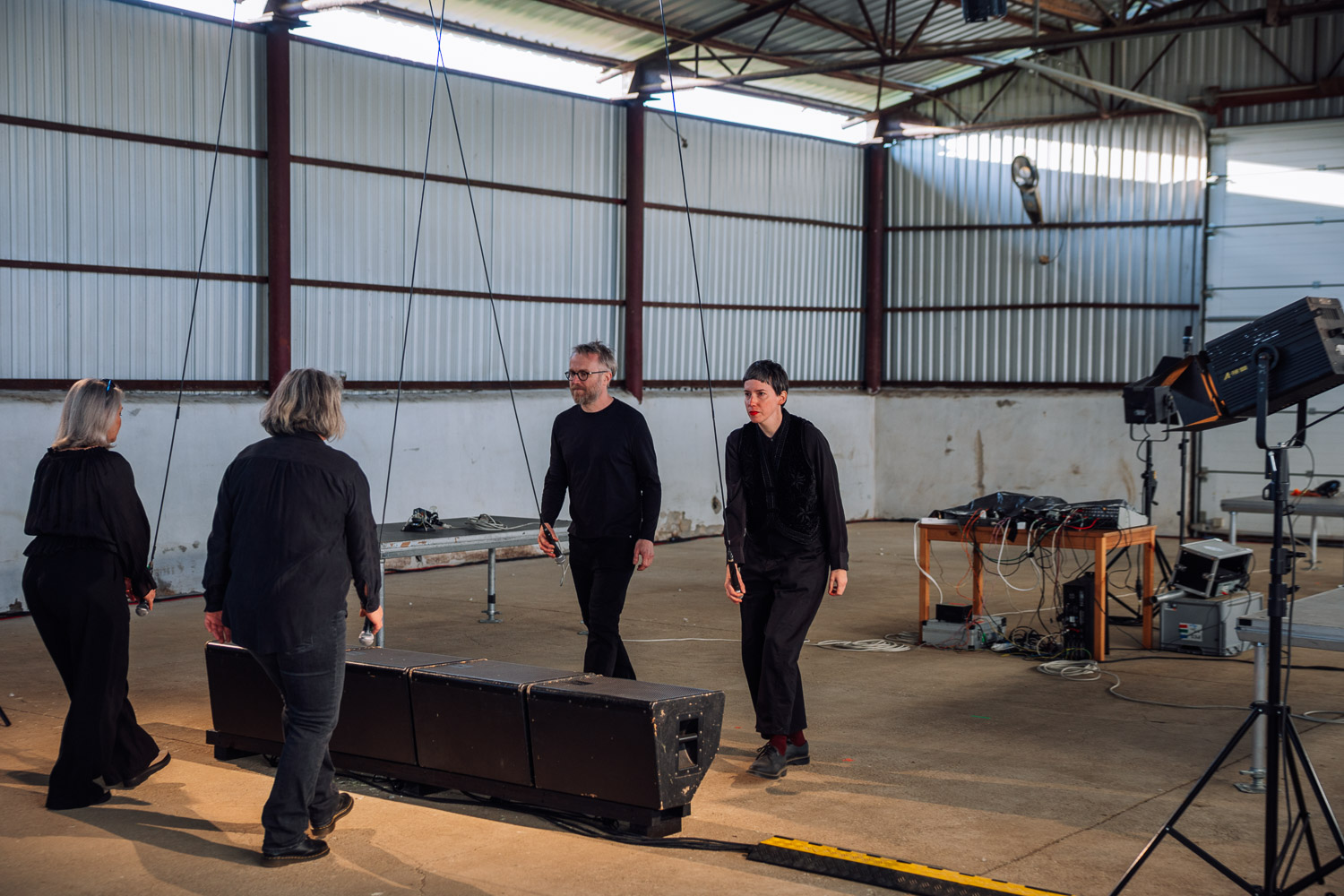
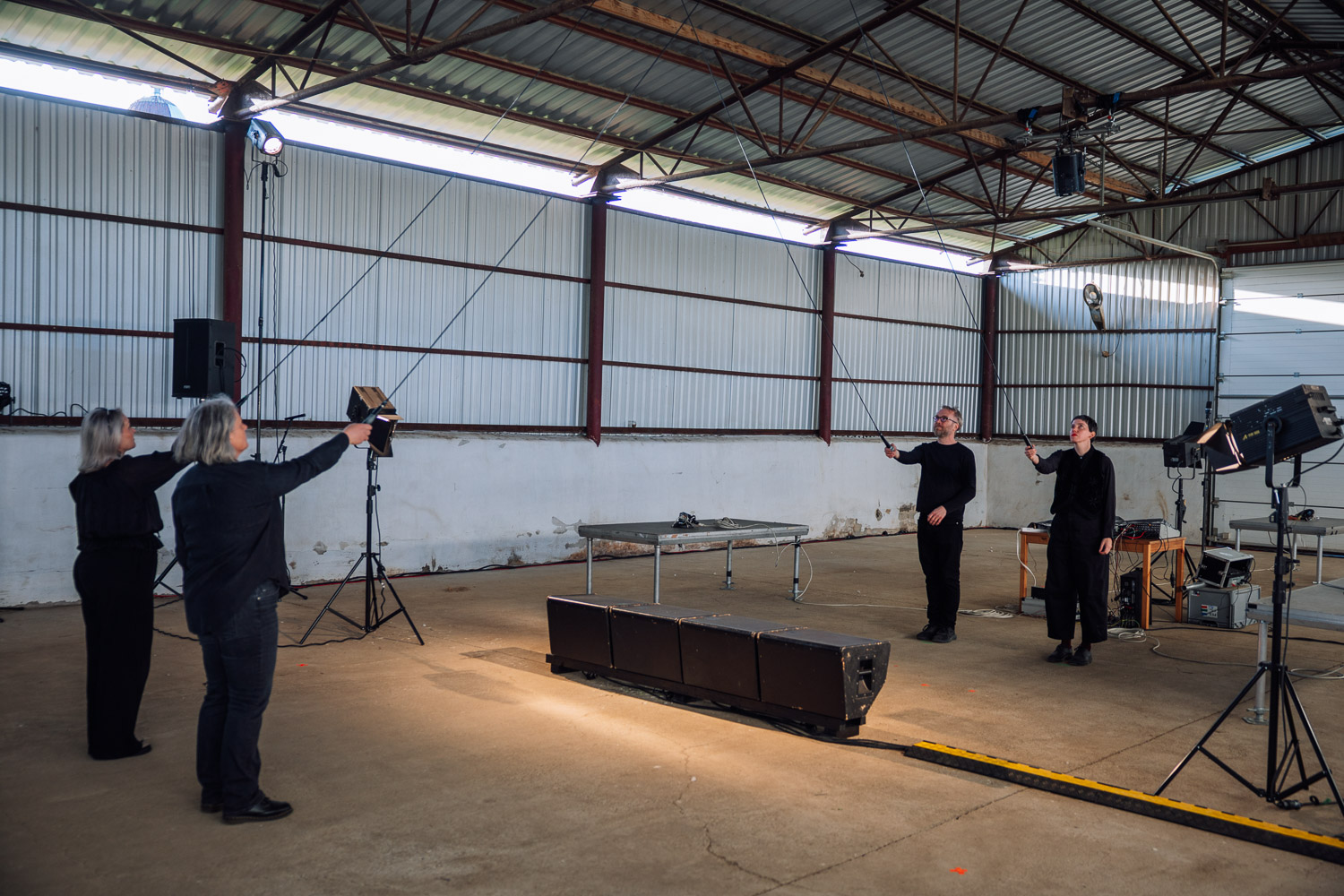
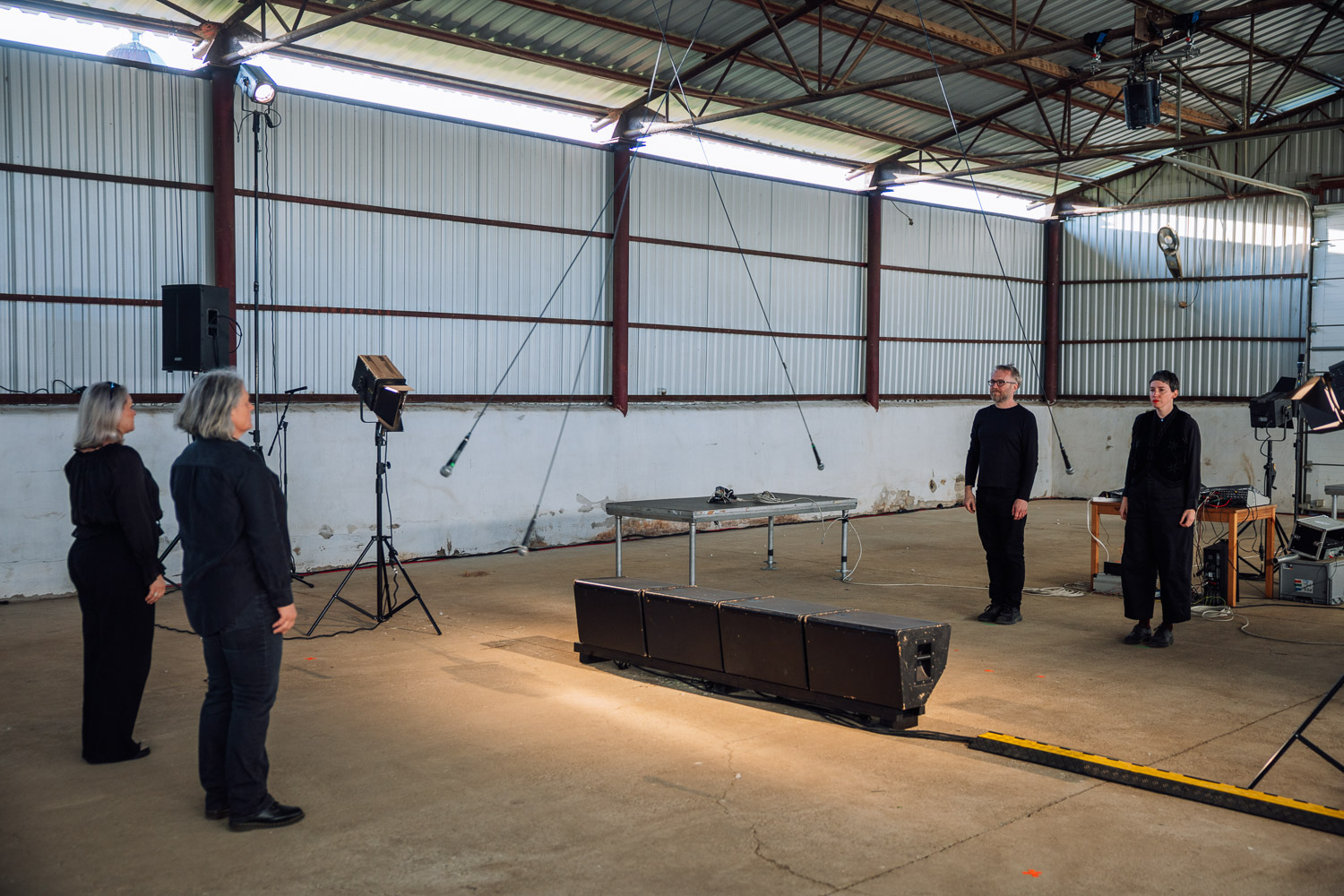
Ellen Fullman (1957) is an American composer and performer. After graduating from the Kansas City Art Institute with a degree in sculpture, she began developing The Long String Instrument project in 1980 at her studio in St. Paul, Minnesota. The following year, she moved to Brooklyn. Inspired by composer and instrument designer Harry Partch and Alvin Lucier’s work Music on a Long Thin Wire, she created an extensive work producing drone-like, organ-like overtones that are as unique in the world of sound as her own vision of the instrument.
LinkArtists pssst: SITE

Eva Šušková is a concert singer and music educator. As an artist, she has long distinguished herself in the field of chamber music spanning all stylistic periods and cross-genre collaborations, but particularly in 20th-century and contemporary music. She has performed at numerous opera houses and at international and domestic music and theater festivals in collaboration with renowned conductors, orchestras, and ensembles. Her recordings feature signature projects as well as diverse cross-genre artistic collaborations. She is the recipient of the Tatra Banka Foundation Award for Art, the Radio Head Awards, and the Frico Kafenda Award. She is affiliated with the Faculty of Education at Comenius University and the non-profit organization Superar Slovakia.
Peter Mazalán is a director, scenographer, and singer. He studied opera singing and set design at the Academy of Performing Arts in Bratislava. He also graduated from the Faculty of Architecture and Design at the Slovak University of Technology. He has performed at the Bavarian State Opera in Munich, Stadttheater Klagenfurt, Theater Kiel, the National Theatre in Ostrava and Brno, as well as the Slovak National Theatre. He has performed at the Bayerische Staatsoper in Munich, the Stadttheater Klagenfurt, the Theater Kiel, the National Theater in Ostrava and Brno, and the Slovak National Theater. He has collaborated with musical ensembles such as the Bayerisches Staatsorchester, the Münchner Symphoniker, Chorwerk Ruhr, and the Brno Philharmonic. Currently, he primarily creates original intermedia projects that blend classical song literature with contemporary performative and visual techniques. His projects It Is Enough/Ich habe genug (2022) and the performative project Swan Song/Schwanengesang (2024) were nominated for the Divadelné dosky awards. In early 2026, his new project for the SND Drama Company, Etudes on Life with Autism Spectrum Disorder, received positive reviews. In addition to his artistic practice, he teaches at the Department of Scenography at the Academy of Performing Arts (VŠMU) and serves as an associate professor at the Faculty of Architecture and Design at the Slovak University of Technology (STU).
David Lang (1957) is an American composer and one of the leading figures in contemporary music. In 1987, he was one of the founding members of the New York collective Bang on a Can, which became one of the most influential platforms for new music at the turn of the 20th and 21st centuries. Lang’s work straddles the boundaries of minimalism, experimental music, and music theater; it is characterized by direct expression, the use of repetition, gradual processes, and a sensitive relationship between music and text. He is the author of orchestral, chamber, vocal, and stage works performed by leading ensembles and festivals around the world. His composition has brought him international recognition. He is a professor of composition at the Yale School of Music, and his music is regularly performed in concert halls as well as in interdisciplinary art projects.
LinkArtist pssst: MEDZI VZDUCHOM A NAPÄTÍM

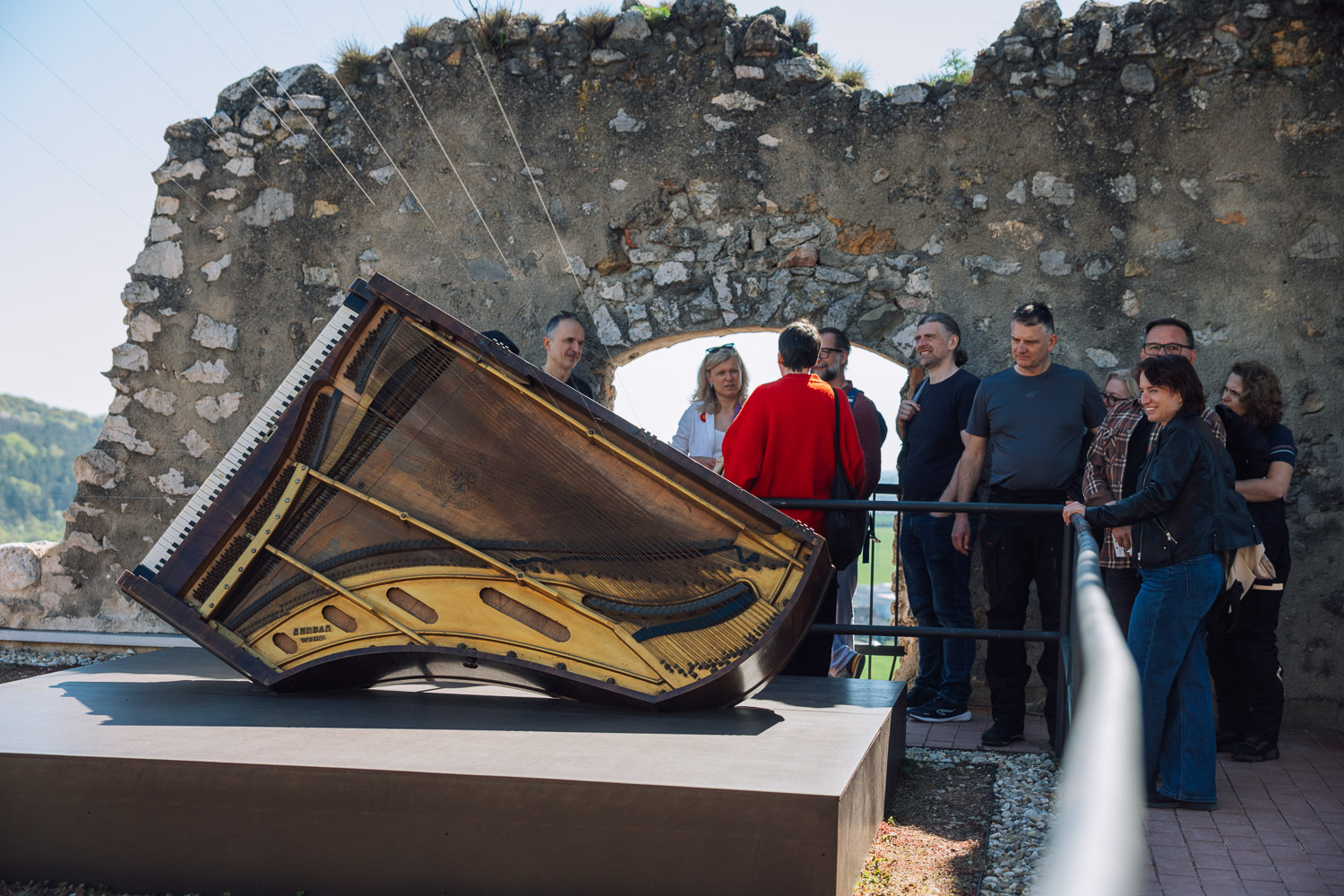
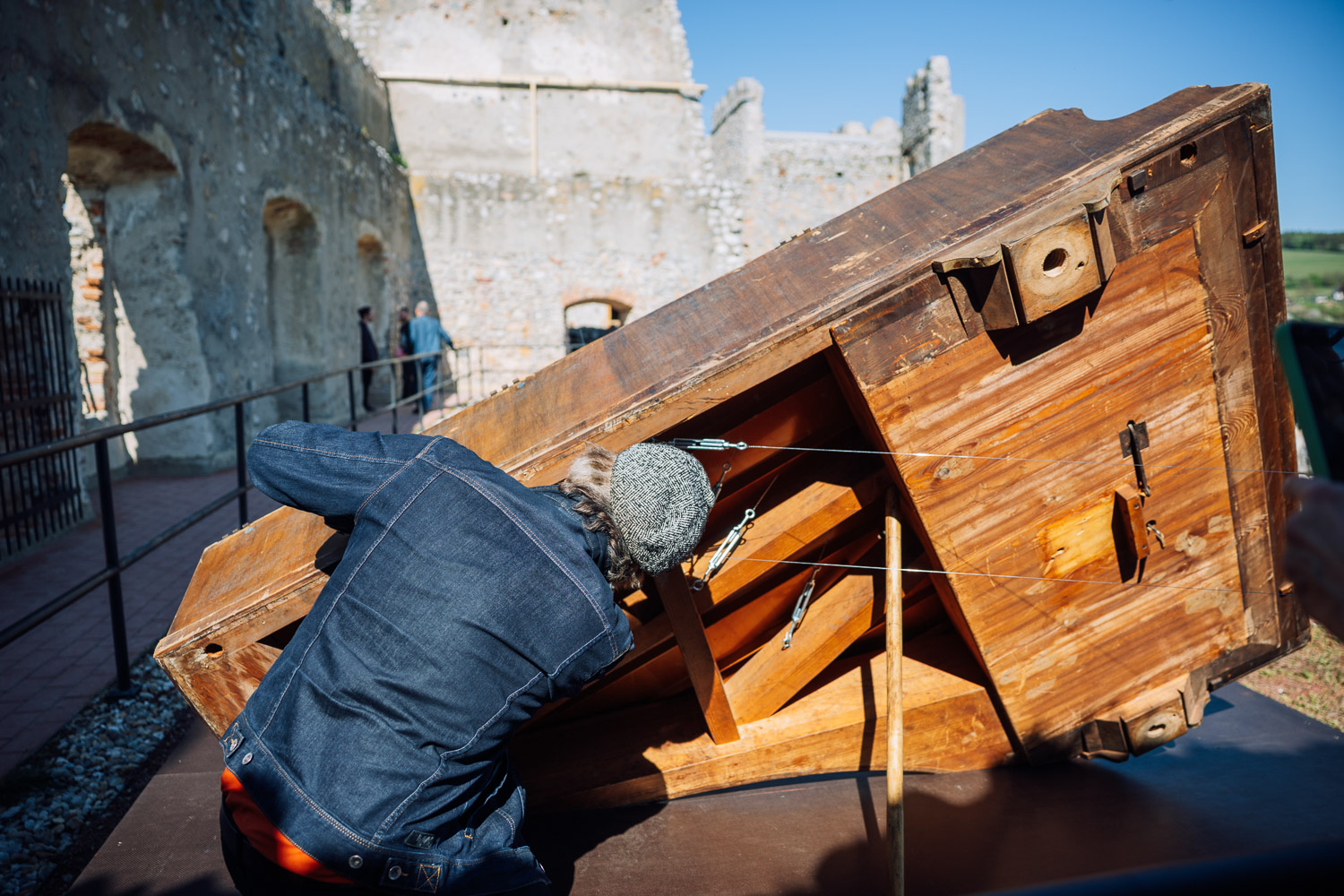
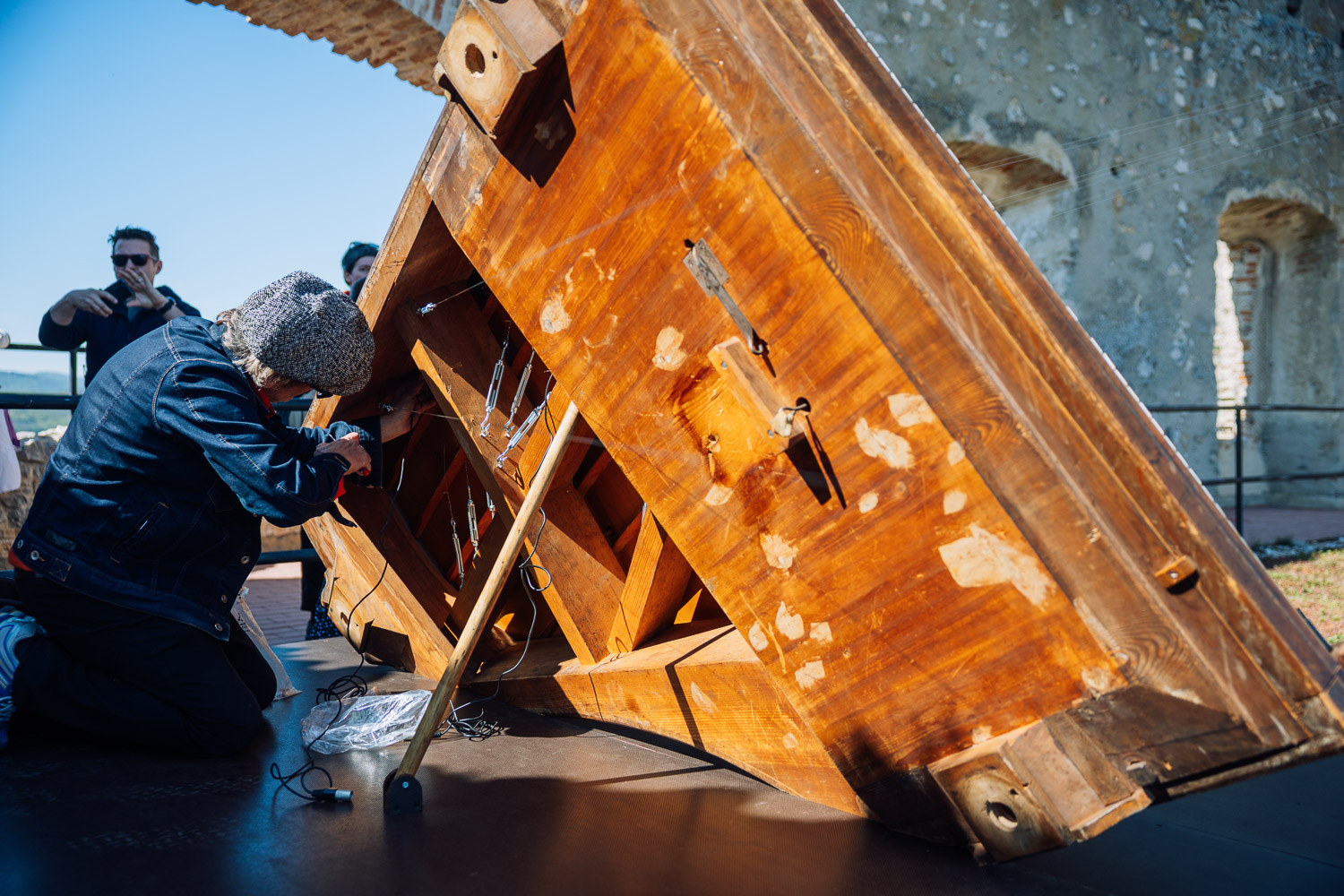
Gordon Monahan (1956) creates works for piano, speakers, video, kinetic sculpture, and computer-generated sound environments that span various genres – from avant-garde concert music to multimedia installations and sound art. As a composer and sound artist, he contrasts the quantitative and qualitative aspects of natural acoustic phenomena with elements of media technologies, the natural environment, architecture, popular culture, and live performance. In addition to sound installations and performances in the field of sound art, he also composes concert music for traditional instruments. John Cage once said of him: “At the piano, Gordon Monahan produces sounds we haven’t heard before.”
Since 1978, Monahan has performed and exhibited in numerous public spaces, museums, galleries, and festivals, including Hamburger Bahnhof (Berlin), the Venice Biennale, the Secession (Vienna), the Ultima Festival (Oslo), the Hebbel Theater (Berlin), The Kitchen (New York), the Walker Art Center (Minneapolis), Merkin Hall (New York), and Massey Hall (Toronto).

Steve Reich (1936) is one of the most influential composers of the 20th and 21st centuries. Along with Philip Glass, La Monte Young, and Terry Riley, he is considered a founding figure of musical minimalism. A central element of his work is the gradual phase shift of rhythmic layers. He discovered this technique while experimenting with tape recorders in the 1960s. It gave rise to compositions such as It’s Gonna Rain (1965) and Piano Phase (1967), which changed the way people viewed what music could be.
He also drew inspiration from outside the European classical tradition – he studied West African drum music in Ghana, took an interest in gamelan in Bali, and explored Jewish liturgical cantillation. The result is music that is both strictly structured and vividly pulsating. Works such as Music for 18 Musicians (1976) and Different Trains (1988) are now considered canonical works of contemporary classical music.
In Slovakia, Reich’s music was performed by the Cluster Ensemble. Under the artistic direction of Ivan Šiller and Fero Király, the ensemble premiered several of Reich’s works in Slovakia between 2009 and 2019, including the piece for six pianos called Six Pianos (1976) at a legendary concert held on June 15, 2009, at the now-defunct MADA piano store on Medená Street in Bratislava.
Link
Alvin Lucier (1931–2021) was an American composer and a key figure in experimental music and sound art. His work focuses on the physical properties of sound, acoustic phenomena, the resonance of space, and the relationship between sound, the body, and technology. He is the author of landmark works of the twentieth century that shift attention away from musical material and toward the act of listening itself. In the 1980s, he began composing pieces for solo instruments, chamber ensembles, and orchestra.
Fero Király is a musician, coder, and educator with a fondness for interdisciplinary projects. He is co-founder of the JAMA project and the ooo association. Though best known as a pianist specializing in contemporary classical music – performing works by Philip Glass, Steve Reich, and others – and as a member of Cluster ensemble, his solo practice turns toward digital technologies, sound art, and various hybrid art forms.
Eva Vozárová is a dramaturge, performer, researcher, and freelance cultural manager. She is co-founder of the artistic ooo association and the JAMA project, both rooted in the legacy of Milan Adamčiak, where she develops curatorial and original work across sound art and intermedia.
LinkArtists úúú x pssst: OBJEKT

Elia Moretti (1986) is a composer, performer, and researcher exploring the performativity of sound and listening as critical tools within contemporary music theatre. In his interdisciplinary practice, he creates site-specific and participatory projects that intertwine sound, movement, and objects.
In Slovakia, he has worked as curator of the Carpathian New Wave series in Prešov and co-initiated the Symposium Musicum project for the UM UM festival in northern Spiš – later released by the independent label mappa.
His work moves between radio, theatre, and dance, with projects presented throughout Europe. As an educator, he focuses on listening as a relational and transformative act that transcends the boundaries of music.
Tom Johnson (1939–2024) was an American composer, music theorist, and journalist — one of the leading figures of the second generation of minimalists. A student of Morton Feldman, he was active in New York in the 1970s, becoming an important part of the city’s experimental scene. His work is characterized by precise logical structures, conceptual simplicity, and a sense of humor. Johnson created music based on numbers, combinatorics, and mathematical principles, transforming them into surprisingly poetic musical forms. Among his best-known works are An Hour for Piano, Nine Bells, Rational Melodies, and The Chord Catalogue. From 1983 onward, he lived in Paris, where he continued his compositional, publishing, and performance activities.
Link
Emilie Škrijelj (1987) explores the accordion in its smallest folds and uses it both as a percussion instrument and a generator of electroacoustic materials. Inspired by her research around the turntable, modular synths and field recording, she brings the accordion to the abstract territory of electronics by manipulating the bellows, rubbing its contours and exploring its extremities.
www.emilieskrijelj.com
Michael Thieke (1971) is a Berlin-based clarinetist, composer, and performer who is equally at home across a broad range of musical environments. He is exploring the minutiae of sound, timbre and noise, with a particular interest in microtonality and related sound phenomena. The qualities of slowness are another field of his research. He has a preference for long-term collaborations and collective work. Thieke has performed throughout Europe, Asia, and the Americas, and his recordings appear on more than fifty releases.
www.michael-thieke.de
Tom Malmendier (1984) approaches improvisation as the natural and central foundation of his musical practice. He is drawn to transdisciplinary projects and often collaborates with dancers, visual artists, and poets.
www.tomalmendier.com

Marek Kundlák (1981) studied theatre dramaturgy and works across a wide spectrum of artistic expression – from writing librettos, texts, and translations to theatre dramaturgy and directing, performing, composing music for theatre, film, and concert settings, playing experimental instruments, as well as cooking, gardening, and woodworking. He has created and performed in Slovakia, the Czech Republic, Austria, Germany, the Netherlands, the United Kingdom, Hungary, and Italy. He has worked with the Opera of the Slovak National Theatre and is currently a music dramaturg for spoken-word programming at Slovak Radio.
LinkArtists pssst: CONTEXT

Matej Sloboda (1988) is a Slovak composer, musician, and conductor. He studied composition in Bratislava, Graz, and Vienna, and took part in exchange programs at the Universität der Künste in Berlin and the California Institute of the Arts in Santa Clarita, USA. He is the founder of the acclaimed project EnsembleSpectrum and one third of the experimental music collective Critical Band.
Link
Michal Matejka (1977) performs with the bands Ankramu and Škvíry a Spoje, focusing on the possibilities and extended techniques of electric guitar playing, free improvisation, and contemporary song-writer music.
Štefan Szabó (1988) is the author of music for several theatre and dance performances. He performs solo as well as an improviser and composer in the duo Ranjevš & Óbasz and the trio KIN.
Link
Kurt Schwitters (1887–1948) was a German artist, poet, and avant-garde pioneer associated with the Dada movement. He developed his own branch of Dada, which he called Merz, based on the use of found objects and the beauty of chance and everyday life. He also gave the same name to the art magazine he founded and edited during the 1920s and 1930s. His work encompassed collage, objects, architecture, poetry, and performance. He was active in Hanover, where he created the legendary Merzbau by continually transforming the rooms of his family home at Waldhausenstrasse 5 – a project that grew over several years like a living organism. Before the Second World War, he emigrated to Norway, and later to England.
Vojtěch Šembera (1995) is an experimental vocalist, composer, and opera singer. He focuses on the interpretation and composition of contemporary vocal music, free improvisation, and song repertoire ranging from the Middle Ages to the present day. He has performed at festivals such as New Opera Days Ostrava, Exposition of New Music, Dag in de Branding, Sanatorium Sonorum, and the Venice Biennale, where he co-performed pieces by Fero Király as part of Oto Hudec’s Floating Arboretum project. He is one of the few performers in the (Central) European context capable of studying and performing (by heart) the legendary Ursonate by the German Dadaist Kurt Schwitters.
LinkPhotogallery










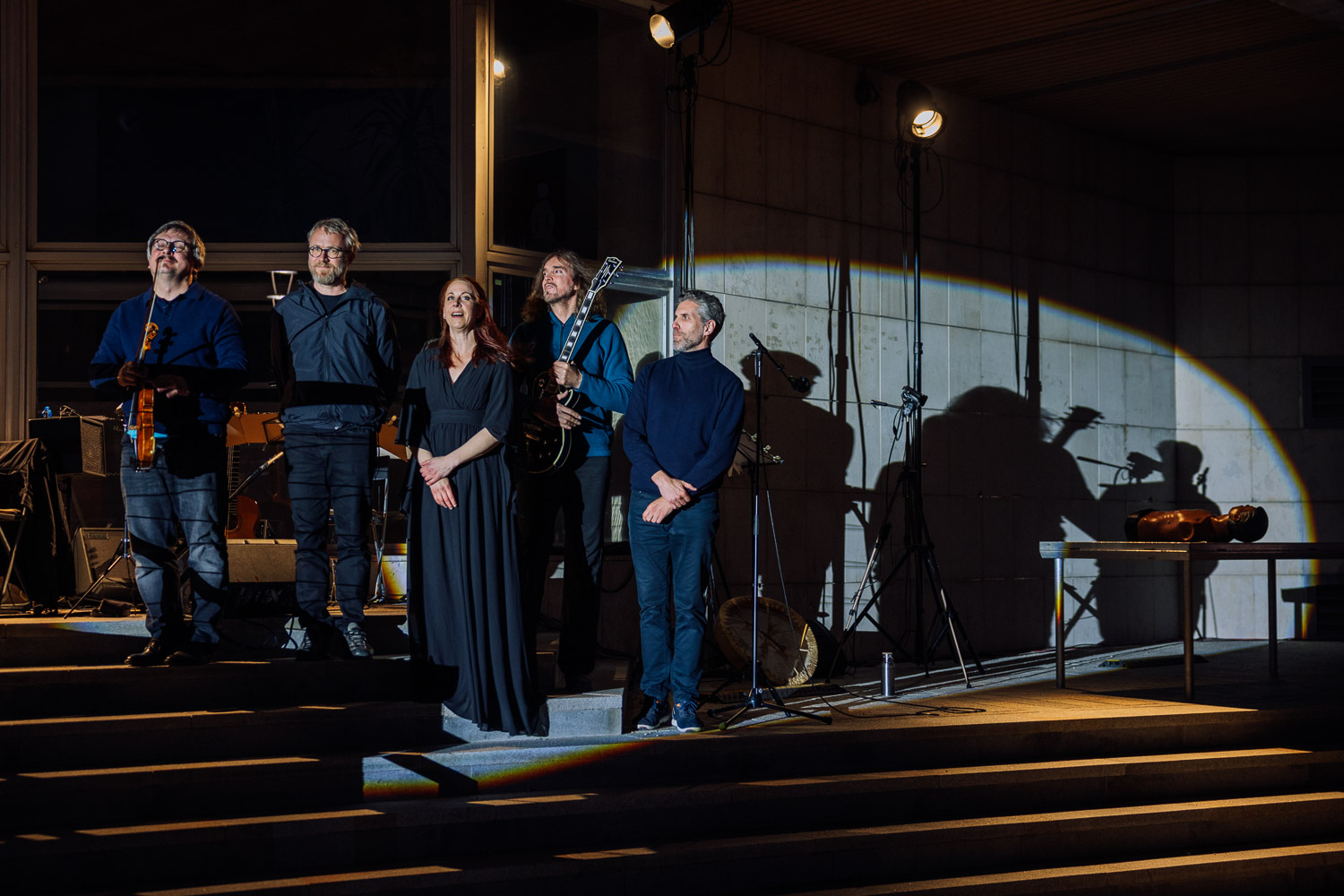
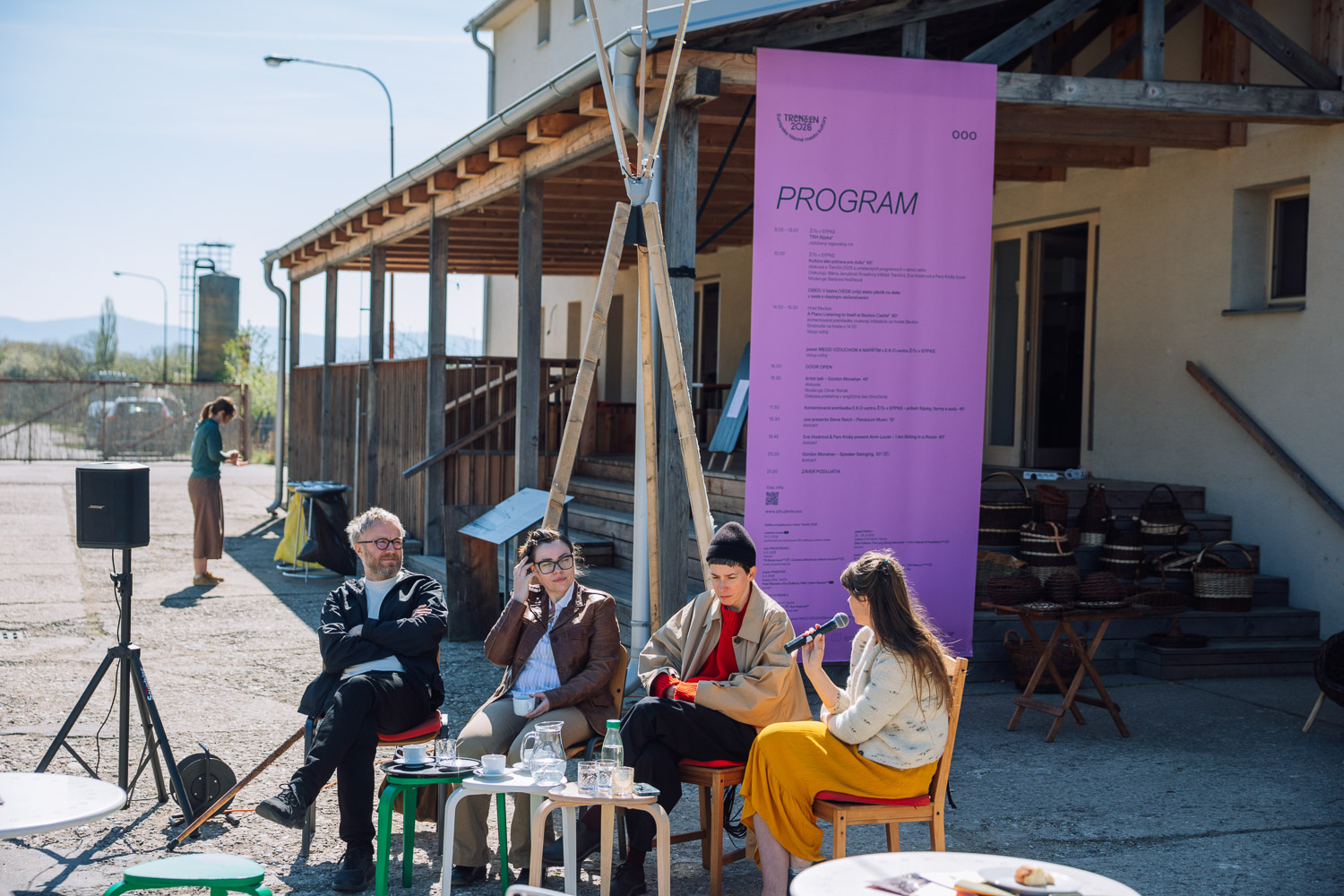

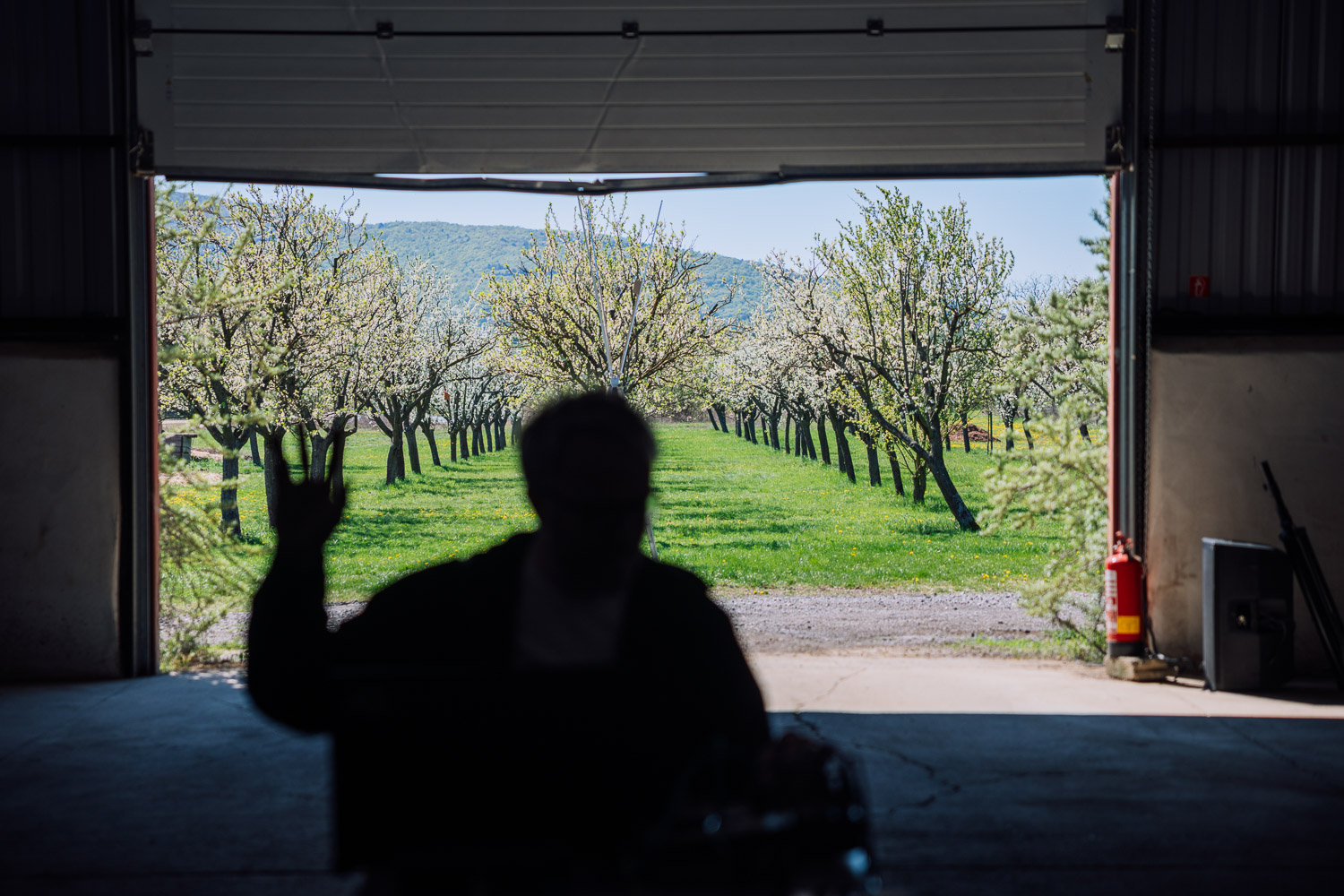

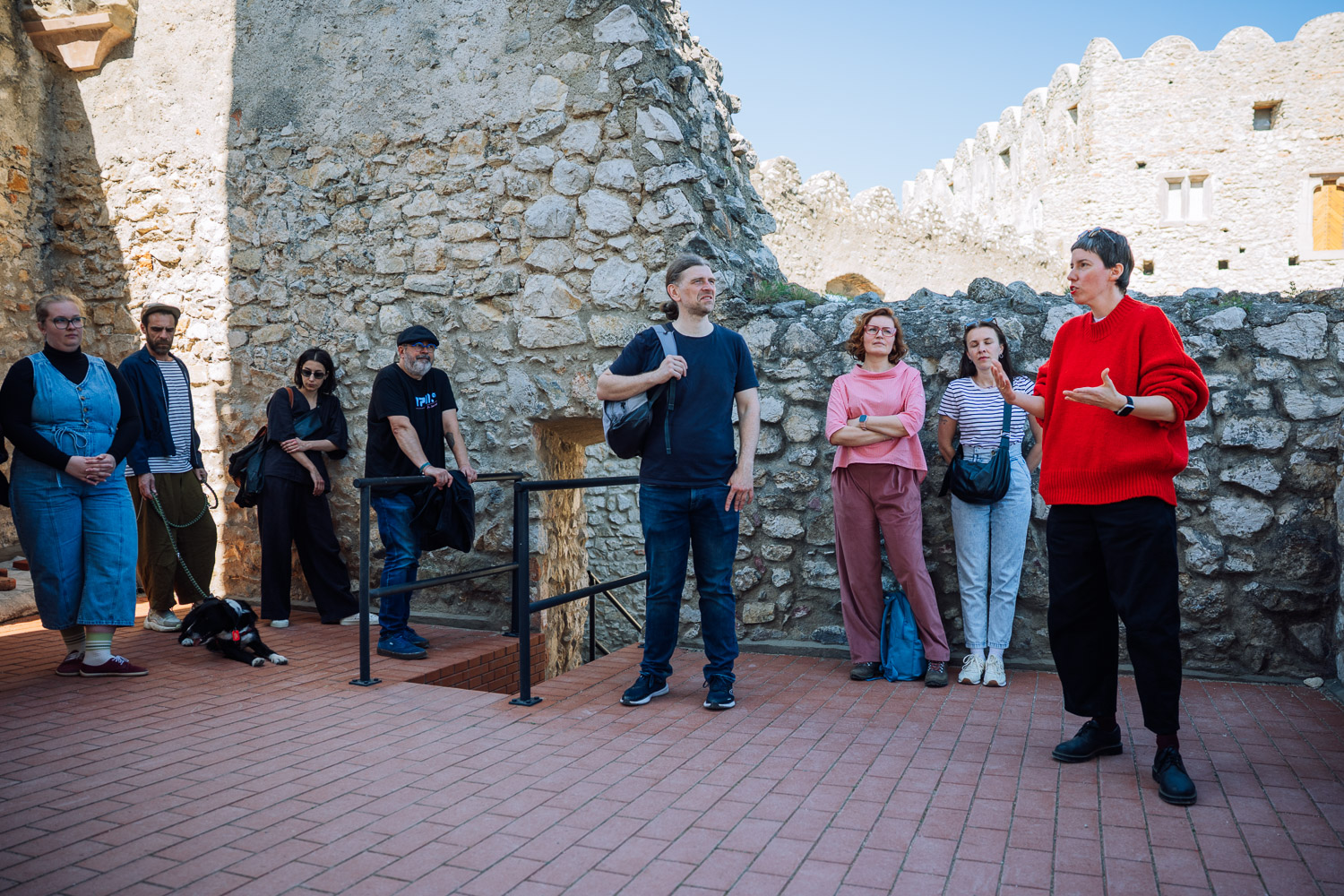




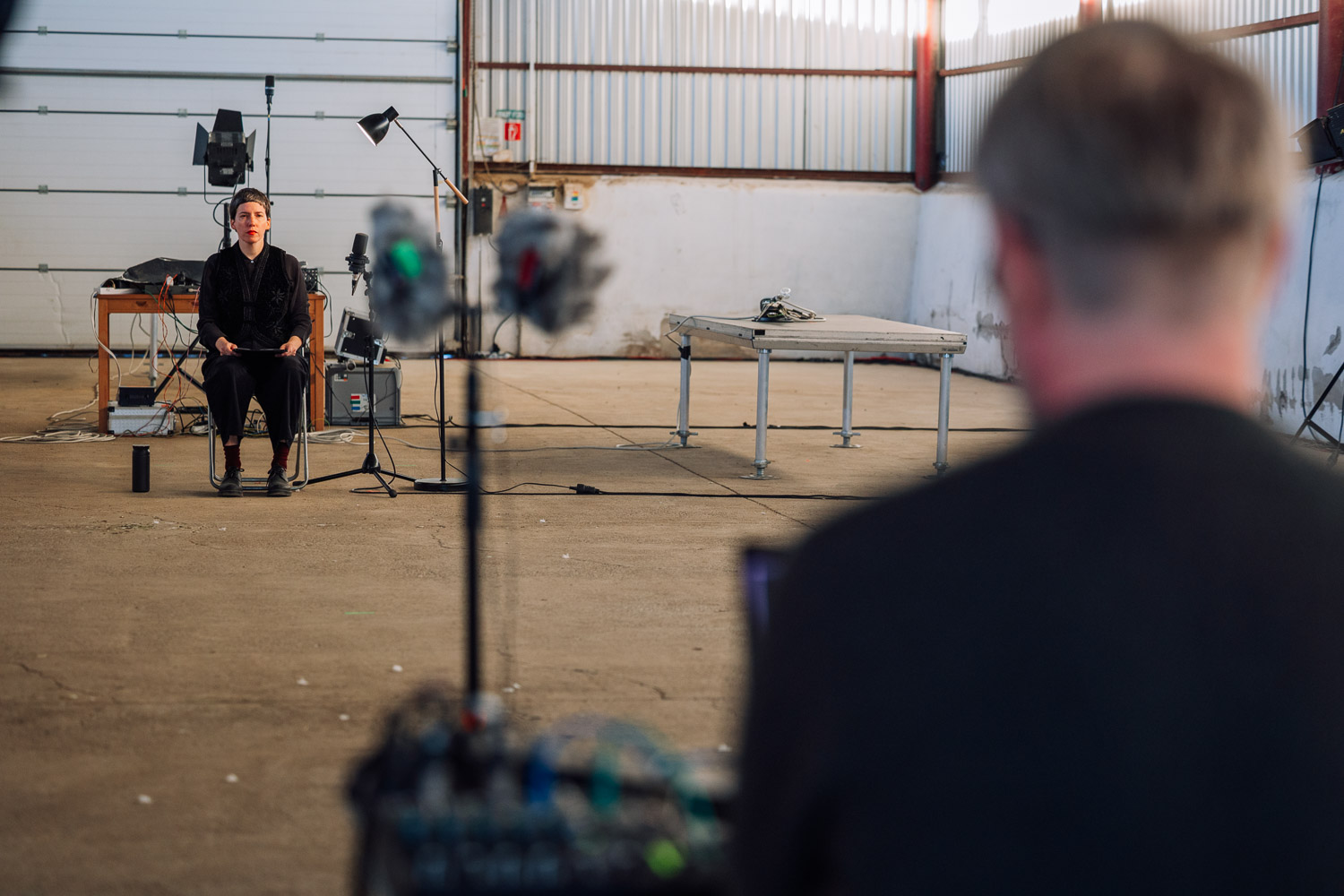
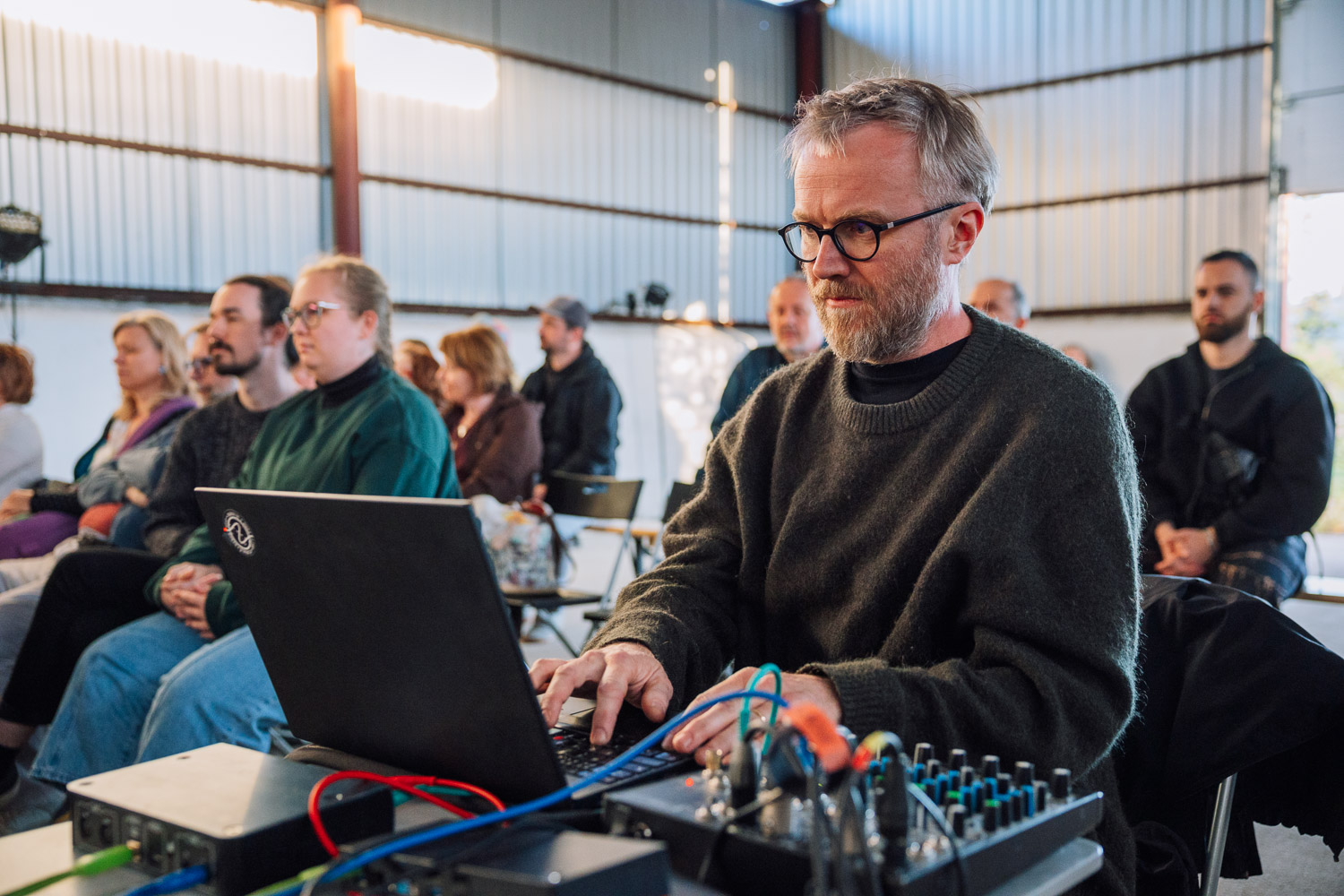
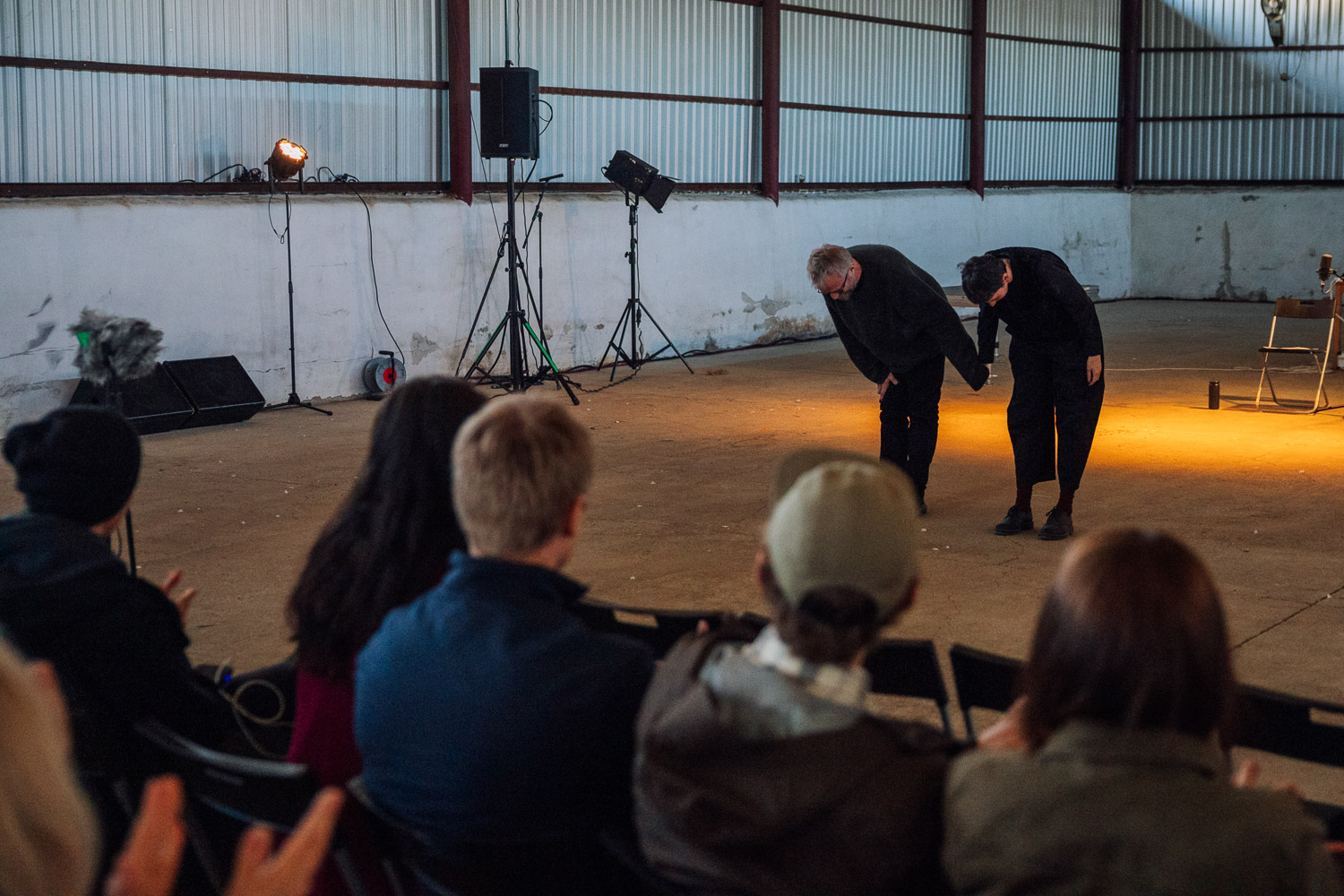
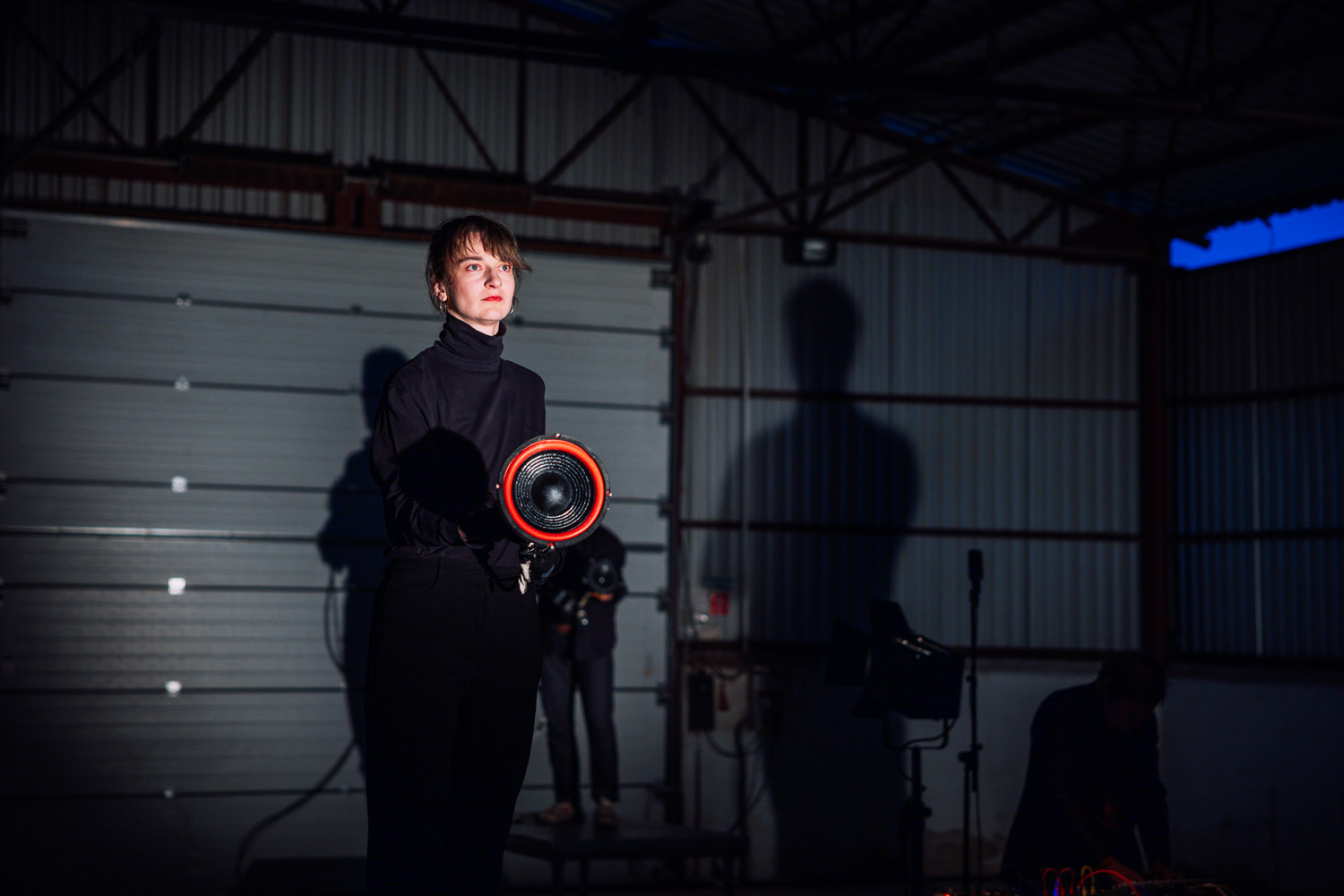



Videogallery
Bulletiny
Pre oba ročíky série pssst sme vytvorili bulletiny, ktoré osahujú podrobný program a sprievodné texty k jednotlivým dielam. Ich tlačenú podobu ste si mohli vziať na podujatiach. Ak chcete, tú je ich digitálna verzia.

